Follow Me On Social Media!

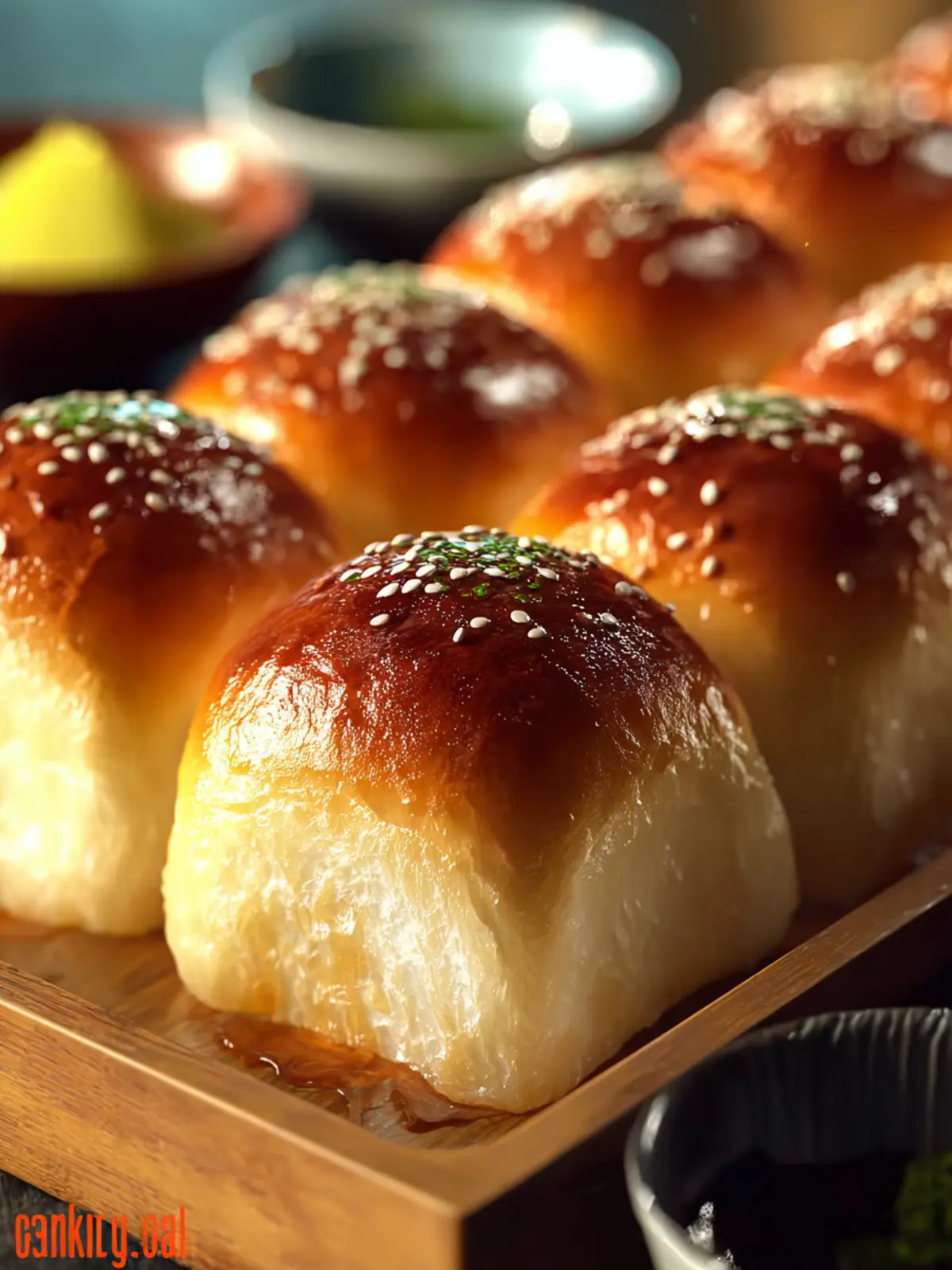
Perfect Japanese Dinner Rolls: Soft, Fluffy, and Irresistible!

Introduction to Perfect Japanese Dinner Rolls
Perfect Japanese dinner rolls, often referred to as “Hokkaido milk bread,” are the kind of soft, pillowy delights that can turn an ordinary meal into a memorable experience. Imagine biting into a warm, freshly baked roll with a slightly sweet taste and an utterly tender crumb—it’s like a hug for your taste buds. These rolls have carved a special place in the hearts of home bakers and food lovers, and for good reason.
Why are Japanese dinner rolls so beloved?
The allure of perfect Japanese dinner rolls lies in their extraordinary texture and versatility. Unlike traditional dinner rolls, which can sometimes be dense or dry, Japanese dinner rolls are light and airy, making them suitable for a range of meals—from holidays to casual weeknights. They pair beautifully with everything, whether you’re slathering them with butter, using them to scoop up savory stews, or serving them alongside delicate soups.
One of the secrets to their unique pillowy quality is the tangzhong method, where a portion of the flour and liquid is cooked together to create a creamy paste before being added to the dough. This technique hydrates the flour more fully, allowing for increased gluten development and moisture retention, resulting in that signature fluffiness. Plus, the addition of milk enriches the dough, giving the rolls a soft sweetness that is simply irresistible.
In Japan, these rolls aren’t just food; they are a celebration of craftsmanship and culture. The care that goes into making each roll reflects a deeper appreciation for cooking and community. Serving these rolls is often a way to share love and warmth with family and friends. Try making them for your next dinner gathering—there’s something soul-soothing about breaking bread together.
As you embark on the journey to create your own perfect Japanese dinner rolls, you’ll find that they are not just a recipe, but an experience that can elevate any meal. So gather your ingredients, roll up your sleeves, and prepare for a delightful baking adventure!
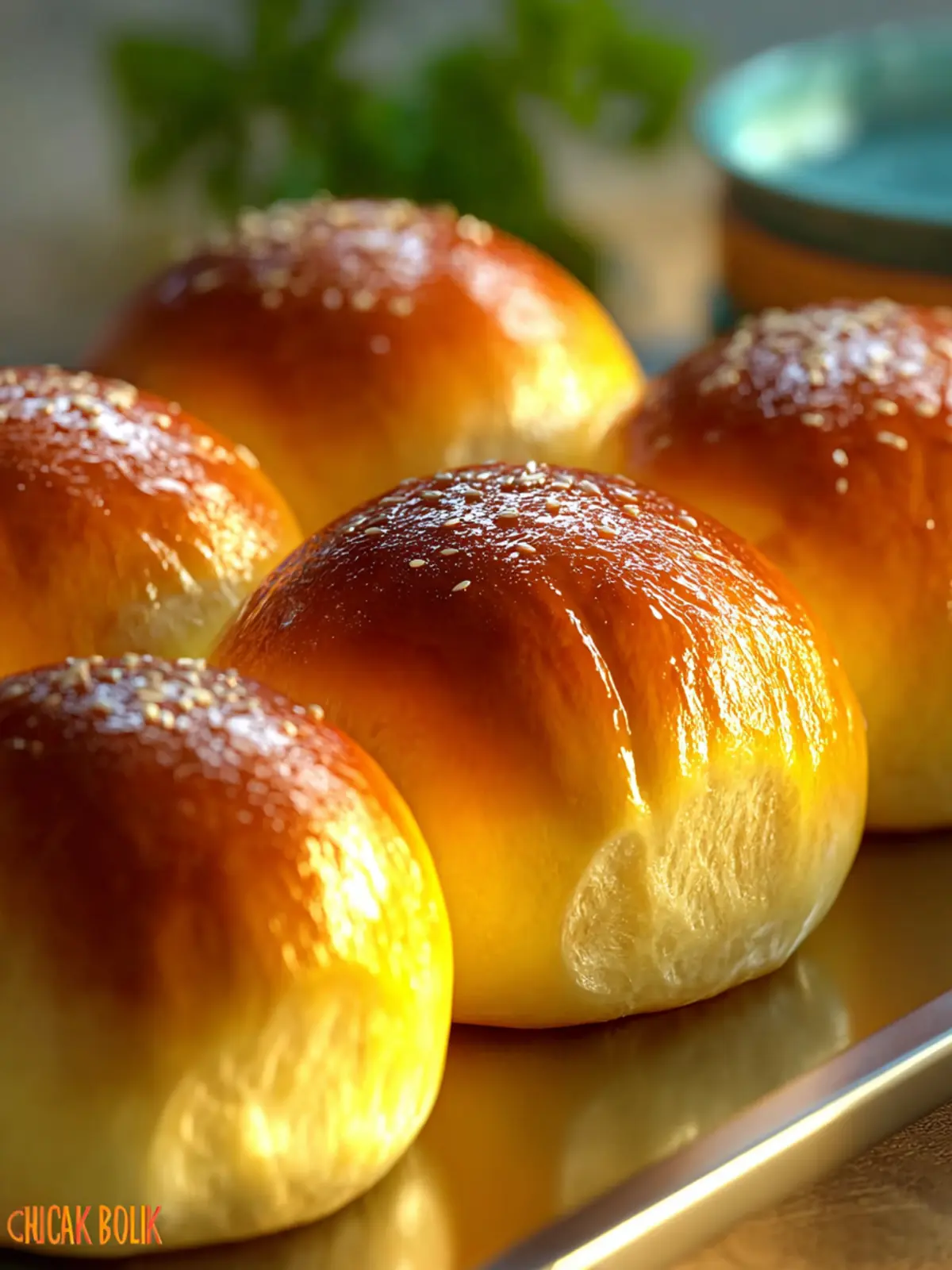
Key Ingredients for Perfect Japanese Dinner Rolls
Fluffy and slightly sweet, perfect Japanese dinner rolls are the ultimate comfort food for any occasion. Creating these delectable rolls begins with high-quality ingredients that contribute to their signature texture and flavor.
-
Bread Flour: This is essential for achieving that soft, chewy texture. It has a higher protein content compared to all-purpose flour, ensuring your rolls rise beautifully. If you can find it, look for “strong bread flour” for even better results.
-
Milk: Using warm milk helps activate the yeast and contributes to a rich flavor. For an extra touch of sweetness and creaminess, whole milk is ideal, but you can also use dairy-free alternatives if preferred.
-
Yeast: Instant yeast is my go-to for these rolls because it’s easy to use and reliable. It rises quickly, creating those wonderful airy pockets that are characteristic of Japanese rolls.
-
Sugar: A little sugar balances the flavors and helps with browning in the oven. Granulated sugar works perfectly, while a hint of honey can add a unique depth.
-
Butter: Using unsalted butter in the dough brings a wonderful richness that enhances both flavor and delectable texture. Melt it for your dough for seamless mixing.
-
Eggs: Eggs contribute to the softness and overall structure of the rolls. Beaten eggs are mixed into the dough, ensuring a tender and airy crumb.
-
Salt: A key player that rounds out the sweetness and controls yeast activity, salt is a non-negotiable ingredient to achieve that perfect balance in flavor.
By understanding these foundational ingredients, you’re well on your way to producing perfect Japanese dinner rolls that will impress anyone at your dinner table!
Why You’ll Love These Perfect Japanese Dinner Rolls
There’s something magical about perfect Japanese dinner rolls that effortlessly elevates any meal. These soft, fluffy delights are not just a treat for your taste buds; they turn an ordinary dinner into a memorable experience. Imagine pulling out a warm basket of rolls, where each bite is a cloud of buttery goodness.
The Texture is Unmatched
One of the standout features of these rolls is their unique texture. Achieving that soft, pillowy finish is no accident; it’s the result of a technique that incorporates tangzhong—a water-roux starter that ensures the rolls remain impossibly moist even days after baking. It’s like wrapping your taste buds in a cozy blanket!
Perfect Pairings
Whether you’re serving them alongside a hearty stew, using them to soak up a delicious sauce, or enjoying them solo with a pat of butter, these perfect Japanese dinner rolls are versatile companions. They are not just bread; they are an invitation to slow down and savor each bite.
A Family Favorite
With a little patience and love, you can make these delectable rolls from scratch. There’s a special joy in creating something that brings smiles to the table. The process might seem daunting at first, but once you take that first fluffy bite, you’ll realize every effort was worth it.
Indulge in the bliss of homemade perfect Japanese dinner rolls, and consider how they’ll become a staple in your kitchen, cherished by friends and family alike.
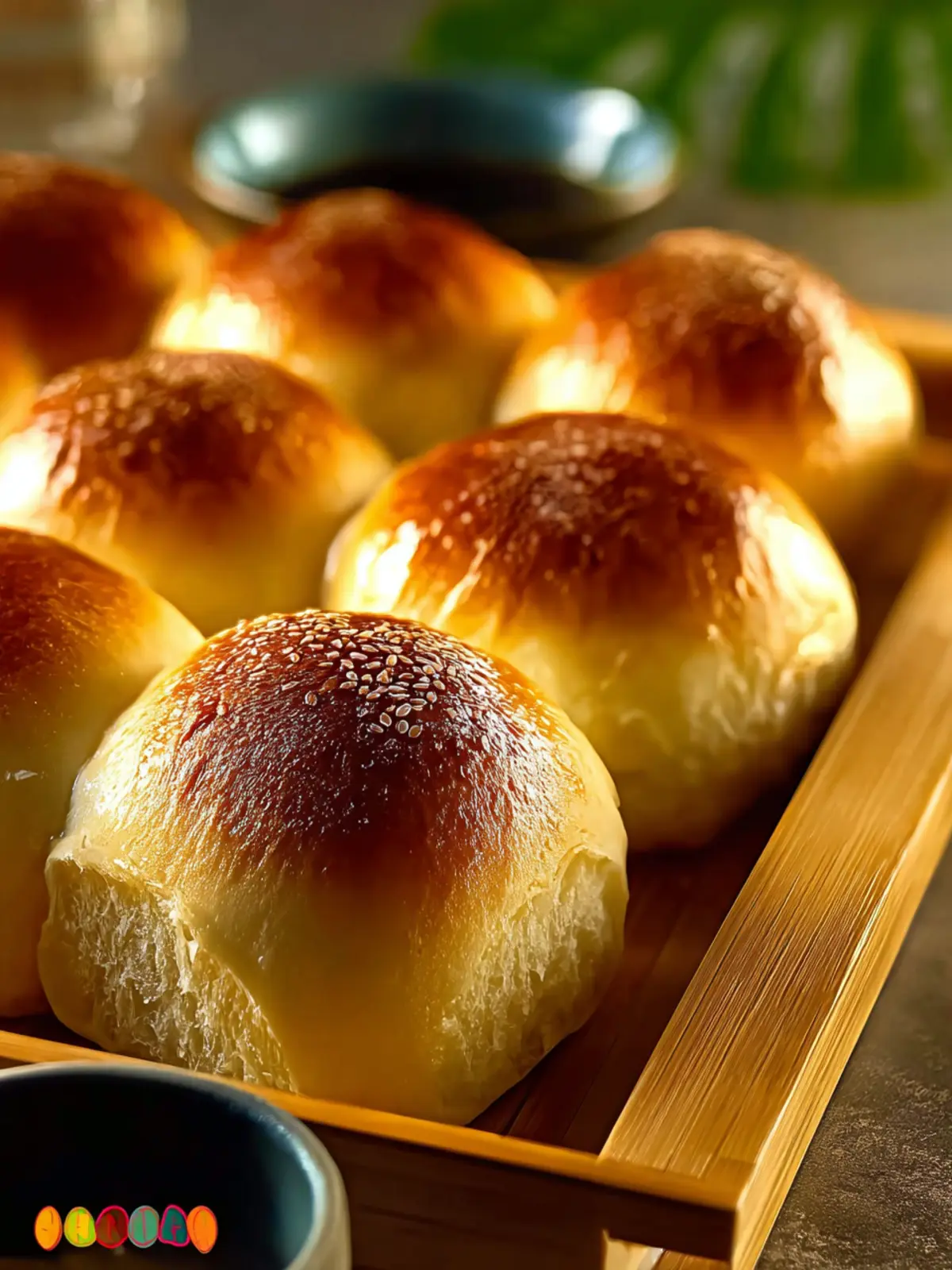
Cooking Tips for Perfect Japanese Dinner Rolls
Crafting perfect Japanese dinner rolls is an art that hinges on a few essential tips. Each ingredient contributes to that delightful pillowy texture and subtly sweet flavor that sets these rolls apart from their western counterparts. Let me share some insights that I’ve picked up along the way.
Use High-Quality Bread Flour
The texture of your rolls depends significantly on the type of flour you use. Opt for bread flour over all-purpose flour—it has a higher protein content, which helps develop the gluten needed for that perfect rise and chewy interior. This small switch can make a big difference in your final result!
Pay Attention to Dough Temperature
During the mixing and kneading process, the temperature of your dough matters. Aim for a slightly warm environment—around 75°F to 80°F is ideal. If your kitchen is cool, consider warming your mixing bowl beforehand or using the microwave for a few seconds. Yeast thrives in warmth, which is crucial for that airy texture.
Don’t Skip the Proofing Stage
Allowing your dough to proof properly is key to achieving perfect Japanese dinner rolls. A first rise of about an hour or until it doubles in size will ensure your rolls are light and fluffy. After shaping the rolls, don’t rush the second rise—let them puff up again before baking for the best results.
Master the Baking Time and Temperature
Baking at a steady temperature is critical. Preheat your oven properly and place a pan with water at the bottom while baking to create steam. This moisture will help develop a crusty exterior while keeping the inside soft. Keep an eye on them; they should be golden brown, and a quick tap on the bottom should yield a hollow sound.
With these tips in hand, you’re well on your way to creating perfect Japanese dinner rolls that will impress family and friends at your next meal. Happy baking!
Time Breakdown for Perfect Japanese Dinner Rolls
Creating perfect Japanese dinner rolls is a delightful process, and understanding the timing can make all the difference. Here’s a straightforward breakdown for you.
Preparation Time
Before diving into the fun of baking, set aside about 15-20 minutes for preparation. This includes gathering ingredients, mixing the dough, and kneading it to that lovely, silky texture we all crave.
Rising Time
The rising time is where the magic happens. Allow the dough to rise for approximately 1.5 to 2 hours. This is crucial for developing that fluffy, airy structure unique to Japanese rolls. Be patient—this step is essential!
Baking Time
Finally, your baking time will be around 20-25 minutes. You’ll want to bake the rolls until they achieve a golden-brown hue. The aroma wafting from the oven will be your guiding star, signaling that they’re ready to be devoured!
By managing these time components effectively, you’ll be on your way to making the most delicious perfect Japanese dinner rolls you’ve ever tasted.
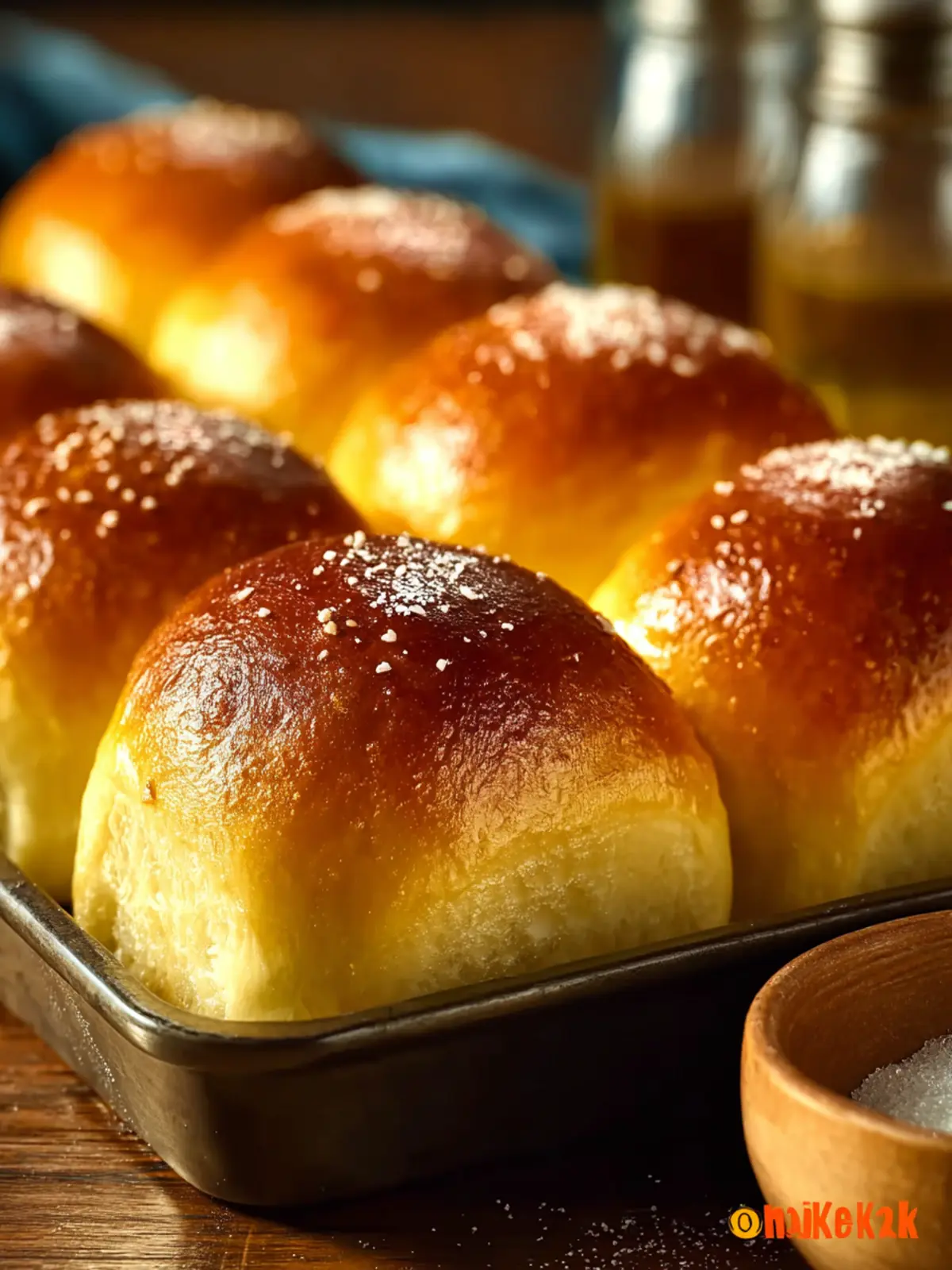
Nutritional Facts for Perfect Japanese Dinner Rolls
Understanding the nutritional facts for perfect Japanese dinner rolls can help you enjoy these delightful treats while keeping an eye on your dietary goals. These fluffy rolls are not only a delicious addition to your meal but also offer a satisfying nutritional profile.
Calories
Each roll contains approximately 130 calories, making them a light yet indulgent option for your dinner table.
Protein
With about 3 grams of protein per roll, these perfect Japanese dinner rolls contribute to your daily protein intake, helping to keep you full and satisfied.
Carbohydrates
These rolls pack around 25 grams of carbohydrates. While they provide quick energy, pairing them with protein-rich foods can create a balanced meal that keeps you energized throughout the day.
Adding these rolls to your meal not only enhances the dining experience but also brings a delightful balance to your nutritional intake!
FAQs about Perfect Japanese Dinner Rolls
Creating perfect Japanese dinner rolls is a delightful journey filled with soft, fluffy goodness that can transform any meal into something memorable. As these rolls have gained popularity worldwide, you might have a few questions as you embark on your baking adventure. Let’s tackle some of the most common queries!
What makes Japanese dinner rolls different from regular rolls?
Japanese dinner rolls, often referred to as Hokkaido milk bread, are distinct for their ultra-soft texture and slightly sweet flavor. This unique softness comes from the tangzhong method, which involves cooking a portion of the flour and water to create a gel-like mixture that helps retain moisture. The result is a melt-in-your-mouth experience that sets them apart from your average dinner roll.
Can I make these rolls ahead of time?
Absolutely! To enjoy fresh perfect Japanese dinner rolls without the hassle, you can prepare the dough in advance. After the first rise, shape the rolls and place them on a baking tray or pan, cover them, and refrigerate overnight. The next day, simply let them come to room temperature, allow for a second rise, and then bake as directed.
How do I store leftover rolls?
Storing your perfect Japanese dinner rolls is simple. Keep them in an airtight container at room temperature for up to three days. If they last longer than that (which is unlikely!), you can freeze them for up to a month. Just make sure to wrap them tightly in plastic wrap or aluminum foil to prevent freezer burn. To enjoy, thaw at room temperature or warm them in the oven for that fresh-out-of-the-oven feel.
With these answers, you’re well on your way to crafting the perfect Japanese dinner rolls that will impress your guests and elevate your dining experience!
Conclusion on Perfect Japanese Dinner Rolls
Crafting the perfect Japanese dinner rolls has been an exhilarating journey filled with delightful aromas and warm, pillowy textures. These rolls, with their light and airy qualities, are not just a treat for the taste buds; they transform any meal into a special occasion.
While mastering the perfect technique may take practice, the joy of pulling warm, fluffy rolls from the oven makes it all worthwhile. Whether served alongside a hearty stew or enjoyed on their own with a dab of butter, these rolls are sure to impress. So, roll up your sleeves, gather your ingredients, and create your very own batch of perfect Japanese dinner rolls!
Print
Dinner Rolls
- Total Time: 2 hours 15 minutes
- Yield: 15 rolls 1x
- Diet: Vegetarian
Description
Deliciously soft and fluffy dinner rolls made with a tangzhong method for extra moisture.
Ingredients
Scale
- 3 1/2 cups bread flour
- 1 cup whole milk
- 1/2 cup water
- 6 tablespoons unsalted butter
- 1/4 cup sugar
- 1 teaspoon salt
- 2 1/4 teaspoons instant yeast
- 1 large egg
- 3 tablespoons bread flour for tangzhong
- 1/2 cup milk for tangzhong
- 1/2 cup water for tangzhong
Instructions
- Whisk together tangzhong ingredients in a saucepan and cook over medium heat until thickened. Set aside to cool completely.
- Combine bread flour, sugar, salt, and yeast in a large bowl.
- Add cooled tangzhong, milk, and egg, then mix until a dough forms.
- Knead the dough for 8 to 10 minutes until smooth and elastic.
- Gradually knead in softened butter until fully incorporated.
- Place dough in a greased bowl, cover, and let rise for 60 to 90 minutes until doubled.
- Punch down dough and divide into 15 equal portions, shaping each into a smooth ball.
- Arrange rolls in a greased 9×13-inch pan, cover, and let rise 45 to 60 minutes.
- Bake at 350°F (175°C) for 20 to 25 minutes until golden.
- Brush with melted butter and cool slightly before serving.
Notes
- Using the tangzhong method helps keep the rolls soft and moist.
- These rolls can be served warm or at room temperature.
- Prep Time: 20 minutes
- Cook Time: 25 minutes
- Category: Breads
- Method: Baking
- Cuisine: American
Nutrition
- Serving Size: 1 roll
- Calories: 150
- Sugar: 2g
- Sodium: 150mg
- Fat: 6g
- Saturated Fat: 3g
- Unsaturated Fat: 3g
- Trans Fat: 0g
- Carbohydrates: 20g
- Fiber: 1g
- Protein: 4g
- Cholesterol: 20mg