Follow Me On Social Media!


Korean Beef Bibimbap Bowl: Easy, Colorful Comfort Food Delight

Introduction to Korean Beef Bibimbap Bowl: Quick, Colorful Comfort Food
The Korean Beef Bibimbap Bowl represents a delightful combination of textures and flavors that can lift your spirits any day of the week. This dish is more than just food; it’s an experience that brings a splash of color to your table and warmth to your soul. You might recall your first hearty bowl, the tantalizing aroma wafting through the air, the vibrant vegetables neatly hugged around seasoned beef, and that perfect fried egg sitting pretty on top.
What makes bibimbap a favorite comfort food?
Bibimbap has remained a beloved staple of Korean cuisine for countless reasons. First and foremost, its versatility allows it to cater to various tastes and dietary preferences. With a base of fluffy rice, you can add an array of toppings, from marinated beef to fresh vegetables and even tofu for a vegetarian twist. Not to mention, the vibrant colors of the ingredients make it a feast for the eyes as well as the palate.
Many enjoy it as a traditional one-bowl meal because it symbolizes harmony – a balance of flavors, colors, and nutrients. Each ingredient contributes unique textures and tastes, enhancing the overall experience. For instance, the savory gochujang sauce adds a sweet and spicy kick, while sesame oil lends a delightful nuttiness. All these components come together to create a dish that’s both comforting and nourishing.
Moreover, the act of mixing all the elements right before digging in adds a fun, interactive component to your meal. It invites you to engage with your food in a playful way, making each bite an entirely different experience. Plus, you can customize it to meet your cravings, whether you’re in the mood for crunchy, fresh veggies or succulent, stir-fried beef.
In short, the Korean Beef Bibimbap Bowl isn’t just a meal; it’s an embodiment of comfort, creativity, and cultural celebration. It serves as a reminder that good food can foster connection and joy, whether you’re dining solo or sharing with friends.
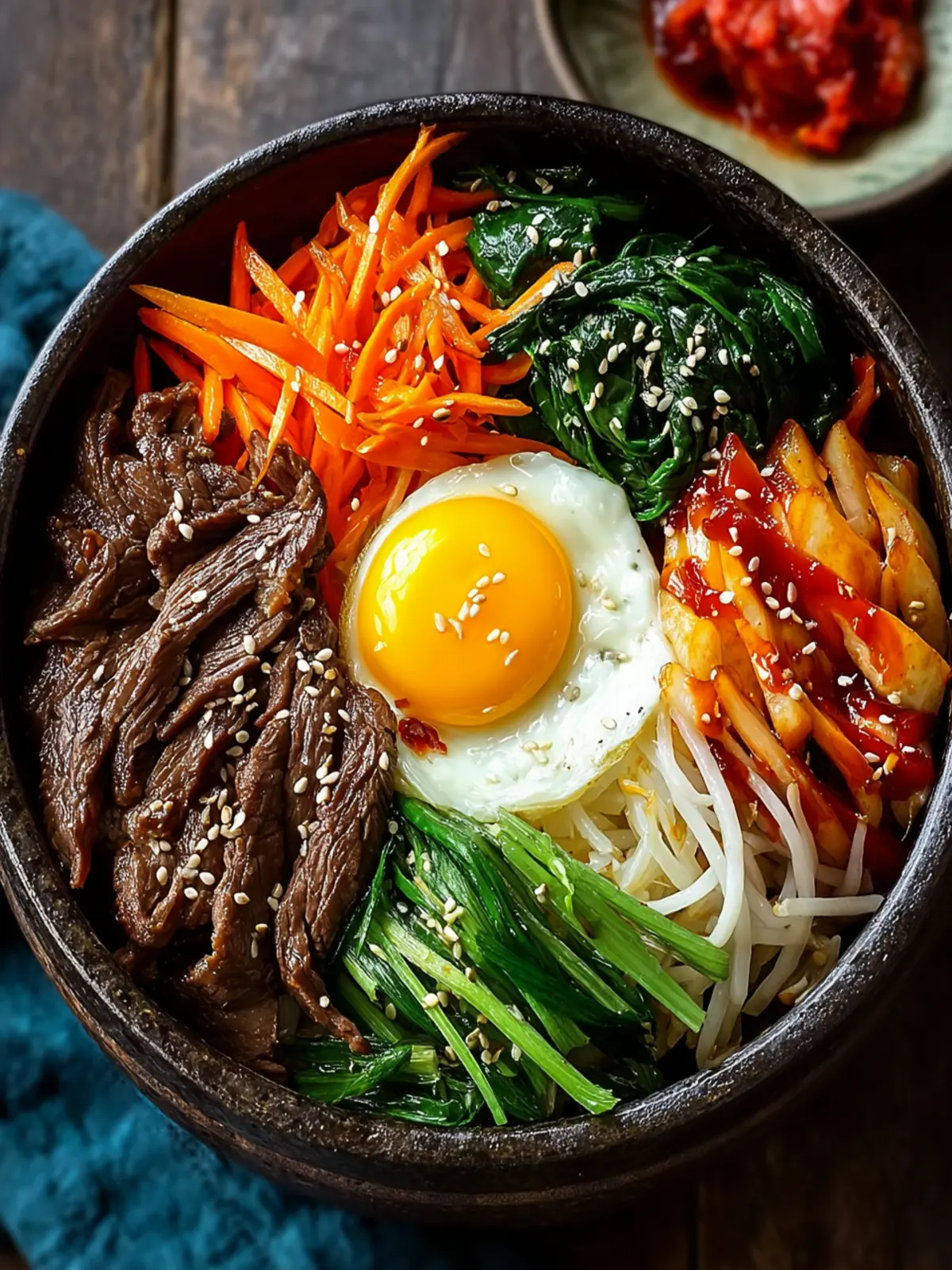
Key Ingredients for Korean Beef Bibimbap Bowl
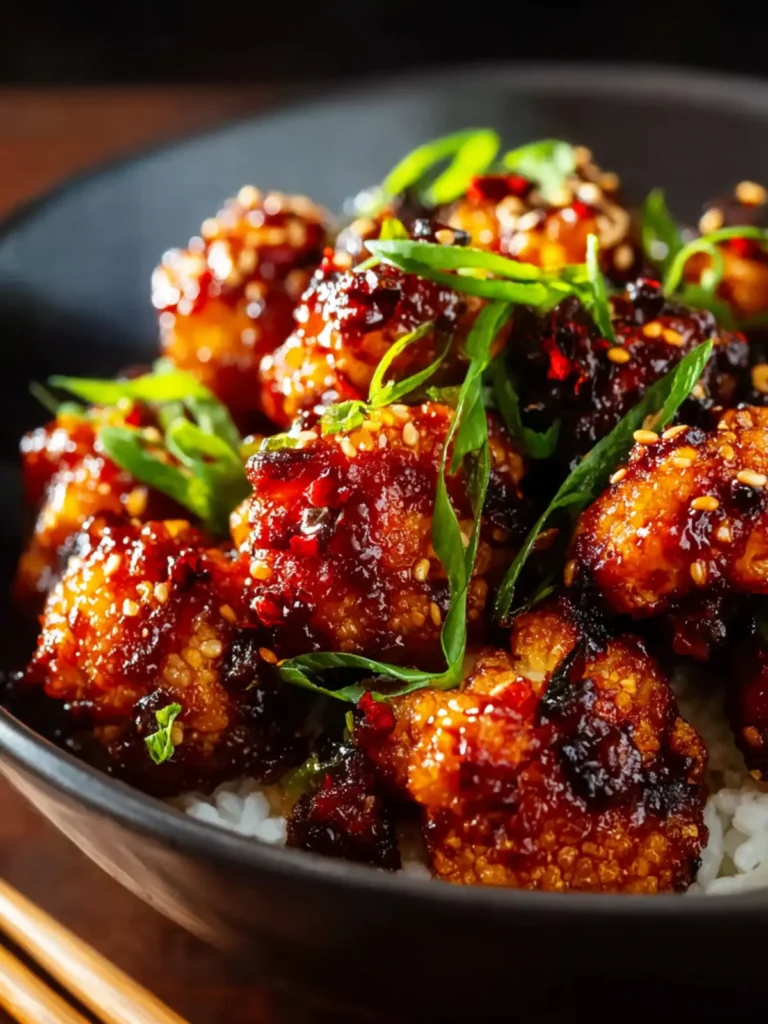
Lean Ground Beef: For the heart of your Korean Beef Bibimbap Bowl, I recommend using lean ground beef. It brings a wonderful balance of flavor and texture to the dish, ensuring each bite is satisfying. If you’re aiming for a lighter option, both ground turkey and tofu are excellent alternatives that absorb the flavors beautifully.
Gochujang Sauce: This spicy-sweet sauce is what takes your bibimbap to the next level. Its depth and warmth can transform the dish, so adjust the amount based on your heat preference! The unique flavor of gochujang is key to achieving that authentic taste.
Low-Sodium Soy Sauce: Enhancing the flavor without the excess sodium is a priority for me, which is why I opt for low-sodium soy sauce in this recipe. If you’re gluten-sensitive, tamari is a great alternative.
Sesame Oil: The nutty aroma of sesame oil beautifully rounds out the dish. If you’re not a fan, feel free to substitute it with olive oil or avocado oil; both work well.
Short-Grain White Rice: Known for its stickiness, short-grain rice is ideal for holding all the bowl’s ingredients together. Alternatively, you can use brown rice to boost the fiber content.
Fresh Vegetables: Brighten your bibimbap with fresh vegetables like carrots, spinach, zucchini, and bean sprouts. The beauty of this dish is that you can easily swap in your favorite vegetables for a personal touch.
Eggs: No Korean Beef Bibimbap Bowl is complete without a perfectly fried egg on top. The runny yolk adds creaminess while tying all the flavors together in a delightful way.
Why You’ll Love This Recipe
Creating a delightful Korean Beef Bibimbap Bowl is not just about enjoying a meal; it’s about indulging in a colorful culinary experience that nourishes the soul. This recipe is a treasure trove of flavors and textures that you’ll find hard to resist. Imagine vibrant vegetables, savory beef, and a perfectly fried egg, all harmoniously combined in a bowl—what’s not to love?
Here’s why this dish will become a favorite in your kitchen:
-
Quick and Easy: Life gets busy, but this bibimbap bowl can be whipped up in under 30 minutes, making it perfect for a weeknight dinner or a delightful lunch.
-
Customization Galore: Each bowl is like a blank canvas—feel free to swap out ingredients based on your preferences or what’s in your fridge. Love spicy food? Add gochujang! Prefer veggies over meat? Go for it!
-
Nutrient-Rich: Packed with vegetables, lean protein, and healthy fats, this recipe offers a well-balanced meal in one bowl, keeping you energized throughout your day.
-
Flavor Explosion: The combination of umami from the beef, the zestiness of vegetables, and the creamy yolk makes every bite a delightful experience.
With the Korean Beef Bibimbap Bowl, you’re not just cooking; you’re immersing yourself in a delicious tradition that resonates with comfort and joy. Give your taste buds something to celebrate!
Variations
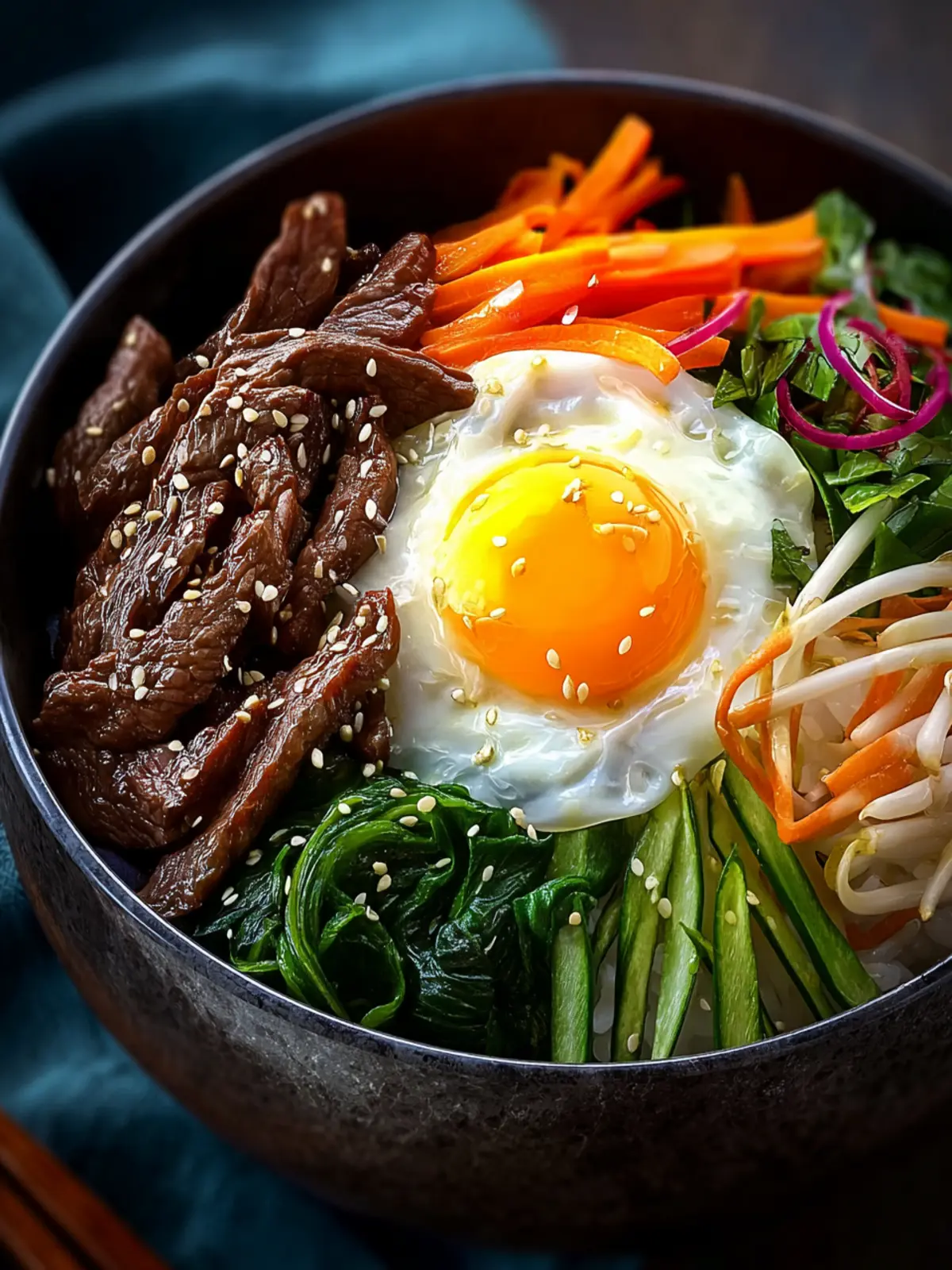
Exploring Korean Beef Bibimbap Bowl opens up a world of culinary creativity. This iconic dish is not just for sticking to the classic components; it also welcomes variations that can suit various tastes and dietary preferences.
Enhancing your bibimbap experience can be as simple as switching up the protein. If you’re a fan of seafood, try substituting the beef with grilled shrimp or sliced salmon for a fresh twist. For a vegetarian option, consider using marinated tofu or tempeh, which will soak up all those delicious flavors.
The veggies are where the fun really lies. While traditional choices like carrots, spinach, and bean sprouts are fantastic, why not experiment? Thinly sliced zucchini, mushrooms, or bell peppers can add a pop of color and flavor. Roasted sweet potatoes or broccoli can offer a hearty touch.
And let’s not forget the sauce! While gochujang is a must-try, mixing it with sesame oil and a little honey can customize the flavor, giving a sweet and spicy kick. Serving the bibimbap with a fried egg on top adds richness, though a poached egg works beautifully, too.
With these variations, your Korean Beef Bibimbap Bowl can become as unique as you are!
Cooking Tips and Notes
Creating a delicious Korean Beef Bibimbap Bowl is more than just following the recipe; it’s about adding personal touches that make it uniquely yours. Here are some tips to elevate your cooking experience.
Choose the Right Beef:
Opt for tender cuts like flank or sirloin for a satisfying chew that absorbs the flavors beautifully. If you’re in a rush, ground beef cooks quickly and works just as well.
Don’t Skimp on the Vegetables:
Colorful veggies not only make your bibimbap attractive but also pack in nutrients. Consider using ingredients like shredded carrots, zucchini, and baby spinach. Feel free to swap them depending on what’s in season or what you love!
Perfectly Cooked Egg:
A runny fried egg on top of the bowl adds richness. Cook it sunny-side up at medium-low heat to achieve that silky yolk, which will blend deliciously with the other ingredients.
Serve with Style:
Presentation counts! Layer your ingredients artfully in the bowl—start with rice, then arrange the protein and greens around it. A sprinkle of sesame seeds on top adds a lovely crunch.
Balancing Flavors:
Give your bibimbap a kick with gochujang (Korean chili paste) for heat and sesame oil for a nutty aroma. Adjust to your taste, and don’t hesitate to experiment!
By integrating these tips into your Korean Beef Bibimbap Bowl preparation, you’ll create a colorful and comforting dish that’s both delicious and memorable.
Serving Suggestions
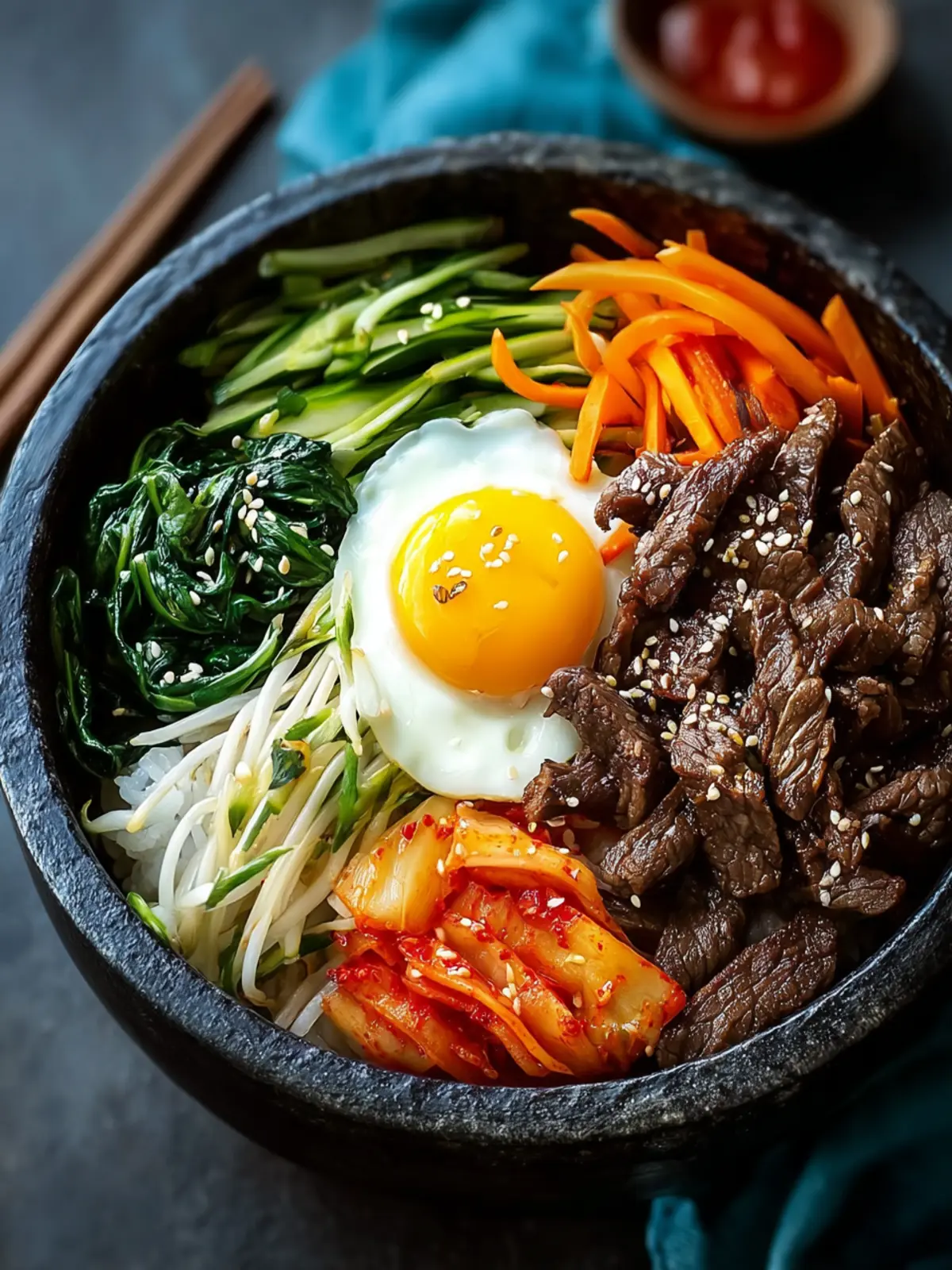
Creating a vibrant Korean Beef Bibimbap Bowl isn’t just about following the recipe—it’s about transforming the dish into an experience that tantalizes the taste buds and delights the eyes. For the perfect serving, consider presenting each ingredient separately in a colorful array.
-
Rice: Use short-grain or sushi rice for that authentic stickiness that holds all the toppings together. A warm bed of rice fosters comfort and hospitality.
-
Garnishes: Drizzle some sesame oil over the top for an aromatic touch. You can also sprinkle toasted sesame seeds, which add an extra crunch, along with fresh herbs like cilantro or scallions for a burst of color and flavor.
-
Protein Variations: While this recipe highlights beef, feel free to swap in marinated chicken, tofu, or even go meatless with mushrooms for a unique twist that maintains the dish’s integrity.
-
Serving Dish: A wide, shallow bowl is ideal for showcasing all the beautiful ingredients. When you serve, let diners mix all the elements together, allowing them to experience the full spectrum of flavors and textures.
-
Side Dishes: To complement your bibimbap, pair it with a tangy kimchi or pickled vegetables. They enhance the meal’s depth and provide a lovely balance of taste.
Dressing your Korean Beef Bibimbap Bowl artfully not only makes the dish inviting but also encourages everyone to dig in while embracing the communal spirit of this beloved Korean meal.
Time Breakdown
Preparation Time
Getting ready to whip up your Korean Beef Bibimbap Bowl is quick and easy, taking just about 15 minutes. This is the perfect opportunity to chop your veggies and marinate the beef. Don’t rush; enjoy the process!
Cooking Time
The actual cooking time for this delightful dish is around 20 minutes. You’ll be amazed at how fast everything comes together—your kitchen will smell incredible as the beef sizzles and veggies brighten up.
Total Time
In just about 35 minutes, you can have a vibrant and satisfying Korean Beef Bibimbap Bowl on your table, ready to impress. What could be better than a meal that’s both quick to prepare and bursting with flavors?
Nutritional Facts
When you indulge in a Korean Beef Bibimbap Bowl, you’re not just savoring its vibrant flavors; you’re also treating your body to a sensible meal packed with nutrition. Here’s a quick breakdown of what you’re getting with this colorful comfort food:
Calories
A serving of this delicious bibimbap bowl contains approximately 550 calories, making it a satisfying option for lunch or dinner without the guilt.
Protein
Loaded with flavor and nutrients, the Korean Beef Bibimbap Bowl offers about 30 grams of protein per serving, thanks to the marinated beef and an assortment of veggies. It’s a great way to fuel your day.
Sodium
While this bowl is wholesome, it’s essential to be mindful of sodium content, which clocks in around 900 mg per serving. For a healthier option, consider using low-sodium soy sauce to keep those levels in check.
This quick meal not only satisfies but also supports your wellness goals while keeping your taste buds happy!
FAQ based on “People Also Ask” section
Understanding the little nuances of a Korean Beef Bibimbap Bowl can elevate your cooking game and make it even more enjoyable. Let’s address some common FAQs to clarify your cooking journey!
Can I make this bibimbap vegetarian?
Absolutely! Transforming your Korean Beef Bibimbap Bowl into a vegetarian delight is simple. Instead of beef, you can use tofu, tempeh, or even mushrooms for a similarly hearty texture. Feel free to sauté your chosen protein with the same seasonings to maintain that rich flavor profile. Additionally, enhance the dish with a variety of colorful vegetables like bell peppers, zucchini, and carrots—don’t skimp on the greens!
How do I store leftovers?
Leftovers from your Korean Beef Bibimbap Bowl can be stored easily. Place the components in separate airtight containers: the beef, vegetables, and rice should stay separate to maintain texture. They can be refrigerated for up to three days. When you’re ready to enjoy them again, simply reheat the rice and beef while refreshing the veggies with a quick sauté for maximum flavor.
What’s a good alternative for gochujang?
If you find yourself out of gochujang, don’t fret! A mixture of miso paste with a dash of hot sauce can do the trick. Alternatively, you can mix sriracha with a bit of honey or brown sugar to mimic the sweet and spicy notes of gochujang. These substitutes will help you recreate that authentic flavor profile in your Korean Beef Bibimbap Bowl.
Feel free to explore these options to make your dining experience even more enjoyable!
Conclusion on Korean Beef Bibimbap Bowl
The Korean Beef Bibimbap Bowl stands as a vibrant masterpiece that effortlessly combines nutrition and flavor in every bite. This dish not only satisfies a hungry stomach but also tells a story with its colorful assortment of vegetables and perfectly seasoned beef. After a busy day, what could be more rewarding than a quick yet delicious meal that whisks you away to the heart of Korean cuisine?
Pair your bowl with gochujang for a delightful heat and special twist, or customize it with your favorite toppings! Enjoy your culinary adventure and make every meal a celebration of flavors.
Print
Gochujang Beef Rice Bowls
- Total Time: 40 minutes
- Yield: 4 servings 1x
- Diet: High Protein
Description
Delicious and spicy Gochujang Beef Rice Bowls loaded with vegetables.
Ingredients
Scale
- 1 pound Lean Ground Beef
- 3 tablespoons Gochujang Sauce
- 2 tablespoons Low-Sodium Soy Sauce
- 1 tablespoon Sesame Oil
- 2 cups Short-Grain White Rice
- 1 cup Carrots (julienned)
- 2 cups Fresh Spinach
- 1 cup Zucchini (sliced)
- 1 cup Bean Sprouts
- 4 medium Eggs
Instructions
- Cook Rice: Begin by following the package directions for your short-grain rice, which usually takes about 20 minutes to cook until tender and slightly sticky.
- Brown the Beef: In a skillet over medium-high heat, brown 1 pound of lean ground beef for about 5-7 minutes. Make sure to drain any excess fat.
- Flavor the Beef: Stir in the gochujang sauce, low-sodium soy sauce, and sesame oil. Let it simmer on low for 5 minutes.
- Sauté Vegetables: Heat a splash of sesame oil in a separate pan, add in the julienned carrots, sliced zucchini, spinach, and bean sprouts. Sauté for about 7 minutes.
- Fry Eggs: Cook sunny-side-up eggs in a non-stick pan for about 3 minutes until whites are set and yolks remain runny.
- Assemble Bowls: Layer cooked rice in bowls, topped with beef mixture and sautéed vegetables. Finish with a fried egg and additional gochujang.
Notes
- Substitute ground beef with ground turkey or tofu for a healthier option.
- Adjust gochujang sauce for desired heat level.
- Use tamari instead of soy sauce for gluten-free.
- Brown rice can be used for added fiber.
- Optional replacements for vegetables include bell peppers or radishes for carrots, bok choy or kale for spinach, and summer squash for zucchini.
- Prep Time: 10 minutes
- Cook Time: 30 minutes
- Category: Dinner
- Method: Stovetop
- Cuisine: Korean
Nutrition
- Serving Size: 1 bowl
- Calories: 600
- Sugar: 3g
- Sodium: 800mg
- Fat: 25g
- Saturated Fat: 6g
- Unsaturated Fat: 15g
- Trans Fat: 0g
- Carbohydrates: 70g
- Fiber: 3g
- Protein: 30g
- Cholesterol: 210mg